
 Recommended On

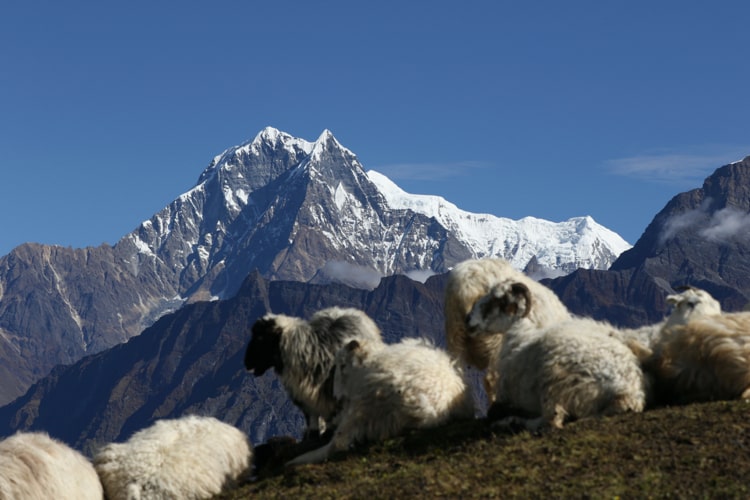
Quick Answer: When Is the Best Time for the Annapurna Circuit Trek?
Best seasons: Spring (March-May) and Autumn (September-November)
Best single month: October
Avoid: June, July, August (monsoon), and January-February (Thorong La Pass closure risk)
The Annapurna Circuit Trek crosses Thorong La Pass at 5,416 meters, the highest point of the trek, and the section where weather determines whether you complete the circuit or turn back. Choosing the wrong season does not just mean rain or cold. It can mean a closed pass, impassable trails, or emergency evacuation.
Autumn is the most reliable season overall. October specifically gives you the clearest skies, the most stable pass conditions, and the best mountain visibility of the year. Spring (particularly April) is the second-best window, warmer and with rhododendron bloom in the lower sections.
Everything else in this guide helps you choose the right month based on your budget, experience, and priorities.
Annapurna Circuit Trek Seasonal Overview
|
Season |
Months |
Temperature (Thorong La) |
Visibility |
Trail Condition |
Crowd Level |
|
Spring |
Mar-May |
-2°C to +5°C daytime |
Good to excellent |
Dry, some residual snow in March |
Moderate-high |
|
Monsoon |
Jun-Aug |
+2°C to +8°C daytime |
Poor (cloud cover) |
Muddy, landslide risk |
Very low |
|
Autumn |
Sep-Nov |
-4°C to +2°C daytime |
Excellent |
Dry and firm |
High (Oct peak) |
|
Winter |
Dec-Feb |
-15°C to -5°C daytime |
Good when clear |
Snow-covered above 3,500m |
Very low |
The Annapurna Circuit starts near Besisahar at around 800 meters and climbs to Thorong La Pass at 5,416 meters. That 4,600-meter elevation range means conditions in the lower valley and at the pass can feel like completely different seasons on the same day. Always plan for the pass conditions, not just the valley weather.
Best Time for Annapurna Circuit Trek by Season
Spring Season (March-May)
Spring Weather Conditions on the Annapurna Circuit
Spring is a reliable trekking window on the Annapurna Circuit. March starts cold at altitude, Thorong La daytime temperatures average around -2°C to 0°C, with residual winter snow on the approach. By April, conditions improve significantly. Daytime temperatures at mid-altitude (Manang, 3,519m) average 8°C to 14°C. Thorong La daytime temperatures in April average 2°C to +5°C, making the crossing manageable with proper layering.
May warms further but brings increasing pre-monsoon cloud buildup in the afternoons. Morning departures before 6 AM are important for the Thorong La crossing in May to avoid deteriorating afternoon conditions.
Wind speed on Thorong La during spring averages 5 to 15 km/h in the mornings, considerably calmer than winter, when gusts can exceed 60 km/h.
Advantages of Spring Trekking
The lower sections of the Annapurna Circuit, from Besisahar through Chame and Pisang, pass through rhododendron forests that bloom in vivid red, pink, and white between mid-March and late April. Below 3,500 meters, daytime temperatures range from 12°C to 25°C, making walking comfortable.
Teahouses are fully operational. The Annapurna Conservation Area permit checkpoint at Besisahar is open. Flights to Pokhara from Kathmandu run on schedule through most of spring.
Spring also offers a slight crowd advantage over October; the trail is active but noticeably less congested than peak autumn.
Challenges in Spring
Early March can have snow patches above 4,500 meters that create slippery conditions on the Thorong La approach. May brings pre-monsoon afternoon showers, particularly on the southern side of the circuit. The lower trail sections, between Besisahar and Chame, can feel dusty and dry in May once the rhododendron season is over.
Who Should Choose Spring?
-
First-time trekkers who want warmer temperatures on the lower trail
-
Photographers who want rhododendron bloom alongside mountain views
-
Trekkers who want good conditions with slightly fewer crowds than in October
-
Anyone with April availability
Monsoon / Summer Season (June-August)
Monsoon Weather Conditions
The Annapurna region receives heavy monsoon rainfall from June through August. Daily rainfall on the lower circuit, from Besisahar to Chame, is common, particularly in the afternoons. Landslides on the southern slopes are a genuine risk. The road from Kathmandu to Besisahar can be disrupted for days after heavy rain events.
One important distinction that most competitor articles get wrong: the northern section of the Annapurna Circuit sits in a rain shadow. From Manang northward to Muktinath and Jomsom, the Annapurna and Dhaulagiri massifs block most monsoon moisture. This area receives less than 10% of the rainfall that the southern sections experience in the same period. Trekkers who enter from Jomsom or fly into Jomsom from Pokhara can trek the northern section of the circuit in July and August with manageable conditions.
Mountain views from the main high viewpoints, Thorong La, Poon Hill, are largely obscured by cloud during peak monsoon months.
Advantages of Monsoon Trekking
-
Very low crowds, trails near empty
-
Green, lush lower sections after heavy rain
-
Off-season discounts at teahouses (30-50% lower accommodation costs)
-
The rain-shadow northern route option via Jomsom
Challenges of Monsoon Season
-
Landslide risk on southern trail sections, particularly between Besisahar and Chame
-
Leeches on trails below 2,000 meters from June through August
-
Road closures and flight disruptions to/from Pokhara
-
Near-zero mountain visibility at main viewpoints for extended periods
Who Should Trek in Monsoon?
Monsoon trekking suits experienced trekkers who understand the landslide risk and have flexible schedules. It is not suitable for first-time trekkers or anyone with fixed flight dates, as disruptions can extend a planned 14-day circuit to 18+ days with road delays.
Autumn Season (September-November)
Autumn Weather Conditions
Autumn is the best overall trekking season on the Annapurna Circuit. The monsoon ends in mid-to-late September, clearing dust and haze from the atmosphere. October delivers the sharpest, clearest mountain views of the year. The Annapurna range, Dhaulagiri, and Machapuchare are visible in full definition from multiple points on the circuit.
Specific temperatures by zone in October:
-
Lower regions (800-2,000m): 15°C to 22°C daytime, 8°C to 12°C at night
-
Mid-altitude (2,000-3,500m, Manang zone): 8°C to 15°C daytime, 0°C to 5°C at night
-
High altitude at Thorong La (5,416m): Approximately -4°C daytime, -15°C to -20°C at night in high camp
Trail surfaces are firm and dry after the monsoon has cleared. No mud, no leeches, no landslide risk. Teahouses along the full circuit are open and well-stocked.
By November, temperatures fall sharply. Lower sections remain comfortable at 12°C to 18°C daytime, but Thorong La daytime temperatures drop to -6°C to -10°C by late November, and nights at High Camp (4,925m) reach -20°C. Thorong La remains crossable through November for well-prepared trekkers.
Why Autumn Is the Best Time
Post-monsoon clarity is the main reason. Autumn air above 3,000 meters has the lowest particulate count of the year. You can see Annapurna I's summit (8,091m), Dhaulagiri I (8,167m), and Machapuchare (6,993m) without haze or cloud interference for extended periods.
The Thorong La Pass crossing conditions in October are the most reliable of any month. Snowfall is rare. Wind is moderate. Daylight hours are sufficient for a full crossing with a standard 5 AM departure from High Camp.
The Nepal festival season, Dashain and Tihar, falls in October. Teahouse owners are operating at full capacity, and trail infrastructure is at its best.
Challenges in Autumn
October is the busiest month on the Annapurna Circuit. Teahouses in key stops, Manang, High Camp, and Muktinath, fill quickly without bookings. Rooms at High Camp (4,925m) routinely sell out during the first two weeks of October. Book teahouses at High Camp and Thorong Phedi at least 2 to 3 days ahead during October.
Crowd pressure on Thorong La Pass itself can create slow-moving queues at the summit point during peak October weekends.
Who Should Choose Autumn?
All trekkers, first-timers, experienced trekkers, photographers, groups, and solo trekkers. Autumn is the default recommendation for anyone asking when to do the Annapurna Circuit Trek without a specific reason to prefer spring.
Winter Season (December-February)
Winter Weather Conditions
Winter transforms the upper Annapurna Circuit significantly. Thorong La Pass is snow-covered from approximately mid-December through February. Daytime temperatures at Thorong La average -10°C to -15°C in January, with wind chill pushing the effective temperature well below -20°C. Night temperatures at High Camp regularly hit -25°C in January.
Thorong La Pass has a documented risk of full closure from mid-January through February due to heavy snowfall accumulation and whiteout conditions. If the pass closes after you have reached Manang, you either wait for it to reopen (which can take 3 to 7 days) or you retrace your route.
Teahouse availability above Manang is limited in January and February. Some lodges close entirely.
Advantages of Winter Trekking
-
Very quiet trails, the circuit sees a fraction of its autumn traffic
-
Snow-covered landscapes offer distinct photography opportunities
-
Significantly lower costs: teahouse rooms cost 30-50% less than October peak rates
-
The lower sections from Besisahar to Manang remain trekable and not extreme
Challenges of the Winter Season
-
Thorong La Pass: genuine closure risk in January-February
-
Extreme cold at altitude, down jacket rated to -20°C is the minimum requirement
-
Limited teahouse operations above Manang
-
Emergency evacuation is more complex in winter conditions
Who Should Trek in Winter?
December is the most manageable winter month. Early December still has relatively stable pass conditions and cold but not extreme temperatures. January and February are for experienced cold-weather trekkers only, with full awareness of pass closure risk and winter mountaineering judgment.
Month-by-Month Breakdown of Annapurna Circuit Weather
January: High-risk month for Thorong La Pass closure. Average daytime pass temperature: -12°C to -15°C. Wind chill can bring the effective temperature below -25°C. Only for experienced cold-weather trekkers with contingency plans for pass closure.
February: Similar to January. Pass closure risk highest in February. Late February shows improving conditions as winter begins to ease, but risk remains. Not recommended without specific cold-weather trekking experience.
March: Improving conditions after winter. Cold mornings at altitude with residual snow above 4,500m. Thorong La is crossable, but prepare for ice patches. Rhododendrons begin at lower elevations. Fewer crowds than in April.
April: The best spring month. Thorong La is fully accessible with daytime temperatures of -2°C to +5°C. Rhododendrons in full bloom below 3,500m. Temperatures in Manang average 10°C to 14°C during the day. Teahouses fully operational. Busy but not overcrowded.
May: Last good spring month before monsoon. Warm at lower altitudes (18°C to 25°C). Pre-monsoon showers begin in the second half of May. Cross Thorong La by 9 AM at the latest. Some afternoon clouds reduce mountain visibility.
June: Monsoon begins. Heavy afternoon rain on the lower circuit. Landslide risk on sections from Besisahar to Tal. Leeches appear below 2,000m. The northern rain-shadow section (Manang to Jomsom) remains drier. Not recommended for standard circuit start.
July: Peak monsoon. Heaviest rainfall of the year. Trails on the southern circuit sections are muddy and occasionally blocked. Very low crowds. The Jomsom-entry northern route option remains viable for experienced trekkers.
August: Similar to July. Monsoon continues. Late August sees the first signs of the monsoon tapering off. Not suitable for a standard full circuit itinerary.
September: Transition month. Monsoon ends mid-September. The first two weeks have residual rain and trail moisture. From late September, the skies clear rapidly. Thorong La daytime temperature averages around -4°C. Good month for trekkers who want autumn conditions with fewer crowds than October.
October: The single best month for the Annapurna Circuit Trek. Stable conditions throughout the circuit. Thorong La daytime temperature: approximately -4°C. Night temperature at High Camp: -15°C to -20°C. Crystal-clear mountain views. Trail surfaces are dry and firm. Fully operational teahouses. Book High Camp accommodation 2 to 3 days ahead. Peak crowd month.
November: Excellent conditions. Slightly colder than October. Less crowded. Thorong La daytime temperature drops to -6°C to -10°C by late November. Night temperature at High Camp: -18°C to -22°C. Strong choice for trekkers who want October-quality views with fewer people on the trail.
December: Early winter. Thorong La is still crossable in early December with a full winter kit. Temperatures are declining sharply above 4,000m. Teahouses above Manang begin reducing operations. Lower circuit remains comfortable.
Decision Guide: How to Choose the Best Time for You
Based on Trekking Experience Level
Beginner trekkers: Choose October or April. Both months offer the most predictable conditions, fully open teahouses, and the most straightforward Thorong La crossing. October is the first choice.
Intermediate trekkers with prior high-altitude experience: All of September, October, November, and April are suitable. November gives good conditions with fewer people.
Experienced cold-weather trekkers: December is manageable with the right gear. January and February require solid winter mountaineering judgment and a flexible timeline for potential pass closure delays.
Based on Weather Preference
Clear mountain views: Choose October or November. Post-monsoon air clarity is the highest of the year.
Warmer trail conditions: Choose April or May. Lower sections feel comfortable without extreme cold in the evenings below 3,000m.
Snow landscapes and quiet trails: Choose December or early January. The circuit is dramatically less busy and snow-covered above 3,500m.
Lush green lower sections: Late September offers monsoon-fresh greenery with improving upper weather.
Based on the budget
Lower cost: June to August and December to February offer the biggest discounts on teahouse accommodation, 30 to 50% below October peak rates. Porter and guide availability is higher, and rates are more negotiable in off-season months.
Standard budget: March, May, September, and November offer good trekking conditions at moderate pricing, not peak prices, not extreme off-season discounts.
Accept premium pricing: October, with its peak demand, has the highest teahouse and guide pricing of the year. Budget 20 to 30% more than off-season rates for October.
Based on Risk Tolerance
Lowest risk: October and April. Stable pass conditions, good trail surfaces, fully operational rescue infrastructure, and high trekker traffic (which increases emergency response speed).
Moderate risk: November, March, September. All offer good conditions but with weather variability at the edges of their seasons.
Higher risk: December to February (pass closure), June to August (landslides, disrupted transport). Manageable for experienced trekkers who plan for contingencies.
Trek Conditions Impact by Season
Trail Conditions
Autumn: Dry and firm throughout. The best trail surface conditions of the year. No mud on lower sections, no ice on the Thorong La approach in October.
Spring: Mostly dry with residual snow patches above 4,500m in March. Lower trails dusty by May.
Monsoon: Muddy and slippery on the lower sections. Landslide debris common on the Besisahar-Tal corridor. Upper rain-shadow sections manageable.
Winter: Snow above 3,500m from December. Ice on the Thorong La approach and summit from mid-December. Trekking poles with ice tips and microspikes are recommended for winter.
Acclimatization and Altitude Impact
Thorong La Pass at 5,416 meters is higher than Everest Base Camp (5,364m). Altitude sickness risk is significant regardless of season. The standard acclimatization stop is Manang (3,519m), where a rest day before continuing to High Camp (4,925m) and the pass is built into most itineraries.
Cold temperatures in winter and late autumn accelerate dehydration, which worsens AMS risk. Drink at least 3 to 4 liters of water daily above 3,000 meters, regardless of the season.
AMS statistics on the Annapurna Circuit: Approximately 40 to 50% of trekkers experience mild AMS symptoms at some point. Most occur at Manang and above. The standard response, rest, hydration, and no further ascent until symptoms resolve, applies in all seasons.
Crowd Levels
October is the highest-traffic month on the Annapurna Circuit. Teahouses in Manang, Thorong Phedi, and High Camp regularly fill by early afternoon. Trekking parties that arrive at High Camp after 2 PM in peak October risk not finding a room.
Practical solution: Carry a backup sleeping bag and discuss contingency plans with your guide before the High Camp night. Most trekkers resolve this by departing Thorong Phedi earlier and arriving at High Camp by noon.
April is the second busiest month. November, September, March, and December see progressively fewer trekkers.
Accommodation Availability
Teahouses from Besisahar to Muktinath are fully operational in spring and autumn. Above Manang, options become limited:
-
High Camp (4,925m): 3 to 4 teahouses, with approximately 100 to 150 beds total across all lodges. Reserve 2 to 3 days ahead in October.
-
Thorong Phedi (4,450m): More options than High Camp, but fills quickly in October.
-
Muktinath (3,800m): Multiple teahouses, good availability.
-
Jomsom (2,720m): Full hotel and teahouse facilities, flight connections to Pokhara.
In winter (December to February), several teahouses above Manang close. Confirm availability with your guide before the High Camp section.
Best Time for Specific Trekking Goals
Best Time for Photography
October and November deliver the best mountain photography conditions on the Annapurna Circuit. The post-monsoon atmosphere has the lowest haze of the year. Annapurna I, Dhaulagiri, and Machapuchare are consistently visible from multiple points on the circuit. Golden hour light hits the Annapurna range clearly in October mornings.
For rhododendron photography combined with mountain views, mid-April is the optimal target.
Best Time for Fewer Crowds
November offers nearly the same weather quality as October, with noticeably fewer trekkers. For maximum solitude, December is quiet throughout the circuit, though the pass risk increases in mid-to-late December.
September (late) is an underused option, post-monsoon skies clear by late September, trail conditions are good, and crowd levels are 30 to 40% lower than in October.
Best Time for Clear Mountain Views
October is the single best month for Himalayan visibility on the Annapurna Circuit. Post-monsoon air clarity peaks in October and remains high through November. The northern section between Manang and Muktinath, which sits in the Annapurna Conservation Area rain shadow, offers some of the clearest high-altitude views in Nepal.
Best Time for Budget Travel
Late June and July offer the lowest accommodation prices of the year. The risk of disruption is the trade-off. January is the quietest non-monsoon month, with accommodation costs 40 to 50% lower than in October and good trail conditions on the lower circuit, though Thorong La is a high-risk crossing.
Related Trekking Comparisons
Annapurna Circuit vs Manaslu Circuit - Seasonal Comparison
Both treks are best done in autumn (October) and spring (April). The key difference: the Manaslu Circuit is a restricted area requiring mandatory guide permits, which cost $100 per person per week in autumn. The Annapurna Circuit does not require a guide or restricted area permit.
The Manaslu Circuit's Larkya La Pass (5,160m) is 256 meters lower than Thorong La Pass (5,416m) but is similarly affected by seasonal weather. In winter, both passes carry closure risk.
The Manaslu Circuit sees far fewer trekkers annually (12,000 to 15,000 versus Annapurna Circuit's approximately 100,000+ per year), making October on Manaslu significantly less crowded than October on Annapurna.
Annapurna Circuit vs Everest Base Camp - Weather Differences
The Everest Base Camp trek (EBC) does not cross a high pass, so weather-based closure risk is lower than on the Annapurna Circuit. EBC is doable in winter for experienced trekkers more reliably than the Annapurna Circuit. Both treks share the same best seasons: October and April.
The Annapurna Circuit's northern rain-shadow section gives it a slight monsoon-season advantage — partially trekable in the Jomsom direction during July and August. EBC has no comparable rain-shadow advantage during the monsoon.
Best Time for Annapurna Base Camp Trek
The Annapurna Base Camp (ABC) trek follows a different route from the Annapurna Circuit, approaching Annapurna I's south face from Pokhara. It does not cross Thorong La Pass. Best season for ABC: October (for clarity) or April (for rhododendron bloom in the Ghorepani-Poon Hill section). ABC is accessible in monsoon for experienced trekkers with mud-tolerant footwear, though views are limited.
Best Time for Thorong La Pass Crossing
The four safest months for Thorong La crossing are April, May, October, and November, in roughly that order of reliability. October is the single most reliable month. January and February carry the highest closure risk. Always check current pass conditions with your guide or Manang teahouse owners 24 to 48 hours before your crossing day.
Packing Guide by Season
Spring Packing Essentials
-
Down jacket rated to -10°C minimum (for Thorong La and high camp nights)
-
Waterproof shell jacket and trousers
-
Trekking boots with ankle support (waterproof)
-
Sunscreen SPF 50+ and quality sunglasses (UV intensity high above 4,000m)
-
Light layers for warm lower sections (15°C to 25°C)
-
Microspikes if departing in March (residual ice on Thorong La approach)
Monsoon Rain Gear Checklist
-
Waterproof jacket and trousers (full coverage, not just a packable shell)
-
Leech socks for sections below 2,000m
-
Waterproof pack cover or dry bags for electronics
-
Flexible flight and transport arrangements
-
An extra day buffer is built into the itinerary
Winter Cold Protection Gear
-
Down jacket rated to -20°C (not optional, this is life-safety equipment at -25°C wind chill on Thorong La in January)
-
Balaclava, fleece-lined gloves, and neck gaiter
-
Microspikes and trekking poles with snow baskets
-
-20°C rated sleeping bag for above Manang
-
Confirmed teahouse bookings before departure (limited options in winter)
Autumn Standard Trekking Kit
-
Down jacket rated to -10°C (sufficient for October, upgrade to -15°C for November)
-
Waterproof outer layer
-
Trekking poles
-
SPF 50+ sunscreen and glacier-quality sunglasses
-
Teahouse booking confirmation for High Camp
Golden Rule: Always pack for the pass, not the valley. The lower sections of the Annapurna Circuit in October feel like comfortable hiking weather. Thorong La at 5,416 meters with -4°C daytime and -20°C at night is a different situation entirely. Many trekkers underpack because their first week of walking feels warm.
Common Mistakes When Choosing Trekking Season
1. Ignoring monsoon landslide risk on the lower trail
The most common mistake. Trekkers research the northern rain-shadow section, see that Manang and Mustang stay drier in July, and assume the full circuit is manageable. It is not. The 4 to 5-day section from Besisahar to Chame follows active monsoon river gorges where landslides close the trail for days at a time. Budget extra time for this section in monsoon months or enter from Jomsom instead.
2. Underestimating the Thorong La winter conditions
Most information online describes winter as "cold but possible." The reality: Thorong La in January has daytime temperatures of -12°C to -15°C. Wind can drive this below -25°C wind chill. A down jacket rated only to -10°C, sufficient for October, is genuinely inadequate for January. Multiple trekkers require evacuation each winter season due to hypothermia.
3. Not booking High Camp accommodation in advance during October
High Camp has 100 to 150 total beds across all lodges. The Annapurna Circuit's October peak traffic regularly exceeds this capacity. Trekkers arriving at High Camp after 2 PM in mid-October risk sleeping in a dining hall on a mat or not finding accommodation at all. Reserve High Camp 2 to 3 days ahead during October.
4. Booking non-refundable flights around the October peak trekking dates without buffer days
October international flights to/from Kathmandu sell out 6 to 8 weeks ahead. Trekkers who book return flights 3 days after their planned circuit completion frequently miss connections when weather delays the Thorong La crossing by 1 to 2 days. Build 2 buffer days into any October itinerary with connecting international flights.
Final Recommendation: When Should You Go?
Best overall: October. Stable pass conditions, clearest mountain views, fully operational infrastructure, and the most reliable 14 to 21-day window of the year for the Annapurna Circuit.
Best alternative: April. Warmer lower sections, rhododendron bloom, slightly fewer crowds than October, and reliable Thorong La crossing conditions.
Good secondary options: November (fewer crowds than October, excellent views, cold but manageable), September late (post-monsoon clearing, lower prices), March (developing spring conditions, quietest of the spring-autumn range).
Avoid unless experienced: June-August (monsoon, landslide risk, poor visibility), January-February (Thorong La closure risk, extreme cold, limited teahouses above Manang).
If you are doing the Annapurna Circuit for the first time and have the flexibility to choose, pick October. If October is not possible, April is the next best option. Everything else involves a trade-off, whether in weather, safety, infrastructure, or crowd management.
Why Choose World Expedition Nepal for the Annapurna Circuit Trek
Local Expert Guidance on the Best Time to Trek
Our team treks and guides the Annapurna Circuit every season. We know current pass conditions, current teahouse availability, and current trail status, not just seasonal averages. When you book with World Expedition Nepal, your guide gets real-time route information from our network of local contacts before your Thorong La crossing day.
Season-Based Trek Planning
We build your Annapurna Circuit itinerary around the actual season you are trekking in. An October itinerary includes specific High Camp booking instructions. A November itinerary includes additional insulation guidance and a later teahouse departure protocol. We do not use a single one-size-fits-all plan.
Complete Logistics Support
We handle your ACAP permit (Annapurna Conservation Area Permit), TIMS card, Kathmandu hotel transfers, Pokhara ground transport, and teahouse bookings on the route. All logistics are confirmed before departure, not on arrival.
Customized Itineraries Based on Weather and Trail Conditions
Standard Annapurna Circuit itineraries run 14 to 21 days. We tailor length and pace based on your fitness level, the season you are trekking, and your acclimatization response. We include buffer days for weather delays, especially for October and spring trekkers with connecting international flights.
Safety, Acclimatization, and On-Ground Support
All World Expedition Nepal guides carry pulse oximeters and first aid kits. We follow a strict acclimatization policy: no advancement if a trekker shows active AMS symptoms. Our emergency protocols include direct contact with Kathmandu-based rescue services for helicopter evacuation coordination.
Frequently Asked Questions About the Best Time for Annapurna Circuit
What is the best month for the Annapurna Circuit Trek?
October is the best month due to clear post-monsoon skies, stable Thorong La Pass conditions, dry trails, and fully operational teahouses. Temperatures are manageable, but High Camp lodging should be booked 2-3 days in advance.
Can you do the Annapurna Circuit in winter?
Yes, but conditions are harsh. December is manageable with proper winter gear, while January and February carry a high risk of Thorong La closure due to heavy snow, requiring experience and flexible planning.
Is the monsoon season good for the Annapurna Circuit?
Generally no. From June to August, southern sections face landslides, slippery trails, and transport disruptions. The northern rain-shadow region is drier, but the full circuit is not recommended during the peak monsoon.
How cold does it get on the Annapurna Circuit?
Temperatures at Thorong La can drop to around -4°C in October and -12°C to -15°C in January. High Camp nights reach -15°C to -25°C, with wind chill making conditions even colder.
What is the safest season for the Annapurna Circuit?
Autumn, especially October, is the safest season due to stable weather, clear visibility, and reliable trail conditions. Spring is also safe but slightly less stable compared to peak autumn trekking conditions
